Jesús Árbol Otoño
As an embroidery designer and product reviewer, I’ve seen countless designs come and go. But Jesús Árbol Otoño stands out for its unique blend of simplicity and symbolism. This design isn’t just a pattern—it’s a statement. Whether you’re working on custom apparel, handmade gifts, or commercial embroidery projects, it has the potential to elevate your work. But like any good design, it requires thoughtful application.
The First Impression
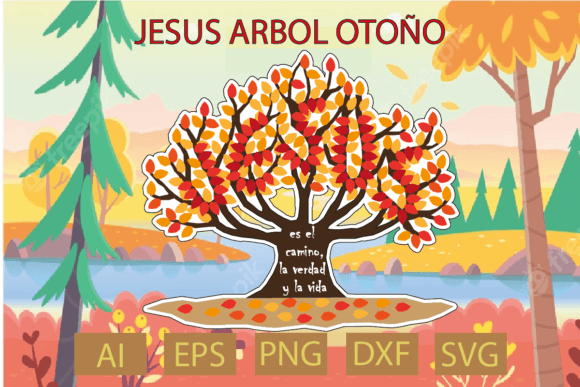
From the moment I saw Jesús Árbol Otoño, I was struck by its visual balance. The tree is stylized, with clean lines and a minimalist approach that still manages to convey depth. The composition feels natural, almost like a painting captured in thread. It’s not overly complex, but it has enough detail to make it visually interesting without being overwhelming.
The theme is unmistakably autumnal—think warm hues, falling leaves, and a sense of quiet reflection. It’s ideal for holiday embroidery, personalized gifts, or even nursery decor. The layout is well-structured, making it adaptable to various fabric types and project sizes. But what really caught my attention was the way the design seems to breathe. It doesn’t feel cramped or cluttered, which is a big plus when working with limited hoop sizes.
Real-Life Embroidery Use Cases
I tested Jesús Árbol Otoño on a few different projects to see how it would perform. For a custom tote bag design, it looked great on a light-colored cotton canvas. The stitch density was just right—enough to hold up under regular use but not so dense that it stiffened the fabric. On a sweatshirt, it added a subtle yet meaningful touch that felt authentic and handcrafted.
For baby items, like onesies and blankets, the design worked well too. The soft lines and gentle shape made it feel safe and comforting. I could see this being a popular choice for personalized baby gifts or boutique merchandise. On a cap or hat, it required careful placement, but the result was still appealing. The key here is to ensure the hoop size is adequate for the design’s dimensions.
One area where it truly shined was in embroidered patches. The design translated well into a small, detailed applique, and the satin stitch gave it a polished look. It also worked well as a printable mockup for digital product previews, allowing customers to visualize how it would look on their chosen item.
Where to Be Careful
While Jesús Árbol Otoño is versatile, there are some situations where it may not perform as well. If you're working with small hoop sizes, you might find that the design feels cramped. It’s important to check the file dimensions and confirm that your machine can handle the size.
Textured fabrics can be a challenge. The design relies on smooth surfaces to show off its details, so if you’re working with something like denim or thick knits, you may need to adjust your stabilizer or test it on scrap first. Thin or stretchy fabrics also require extra care—too much tension during stitching can distort the image.
On dark fabrics, the design’s contrast can be an issue. If the thread color doesn’t stand out, it may look washed out. I recommend testing it on both light and dark backgrounds before committing to a final project. Tiny lettering or decorative accents within the design should also be inspected closely—any imperfections will be more noticeable in smaller details.
Impact on Visual Appeal and Value
Jesús Árbol Otoño adds a level of sophistication that can boost the perceived value of any finished product. Its clean lines and natural theme make it feel timeless, which is great for handmade products that need to appeal to a broad audience. When used in a custom t-shirt design, it can create a strong visual identity for a brand or personal collection.
From a customer perspective, it’s a design that feels meaningful. People often look for embroidery that tells a story or evokes emotion, and this one does that well. It’s perfect for personalized gifts, holiday items, or even wedding décor. The design’s simplicity also makes it easy to pair with other elements, whether you’re creating a layered embroidery project or a single focal point.
For small business owners and Etsy sellers, this design offers a solid foundation for marketing. It’s visually appealing, easy to adapt, and has clear use cases. As a digital product, it could be part of a larger set of seasonal designs, helping to build a cohesive brand aesthetic.
Practical Designer Notes
Before using Jesús Árbol Otoño in a real project, I always recommend testing it on scrap fabric. This helps you understand how the stitches interact with the material and whether the design needs adjustments. Pay close attention to the thread colors—some may not show up well on certain fabrics, especially darker ones.
Stitch density is another factor to consider. If the design is too dense, it can cause the fabric to pucker or become stiff. If it’s too sparse, it may not hold up over time. Always review the file specifications and confirm the hoop size needed for your machine.
For commercial projects, make sure you have the proper licensing. Some designs may have restrictions on how they can be used, especially if you’re selling finished products or digital files. Also, remember to check the design’s compatibility with your embroidery software and machine settings.
Finally, don’t forget about the presentation. A well-executed embroidery project isn’t just about the design—it’s about how it looks on the final product. Use proper stabilizers, test your stitches, and make sure the design aligns with your overall vision.